VishnuhoraFestivals

Delhi · श्री विक्रम संवत २०८६Vikram Samvat 2086
कार्तिक कृष्ण पक्ष · त्रयोदशीKARTIKA · KRISHNA PAKSHA · TRAYODASHI · 2029(Ashwina amanta)

त्रयोदशी शनिवार ८:५८ से रविवार ५:३० तकTrayodashi from Saturday 20:58 to Sunday 17:30 · Delhi

चतुर्दशीत्रयोदशी until 17:30Dhanteras at duskMasa Shivaratri, midnight

धनतेरसधन्वन्तरि जयन्ती

Dhanteras · Dhanvantari Jayanti

४4नवम्बर २०२९ · November 2029
रविवार · Sunday

The first of Diwali's five days: the Trayodashi of the dark fortnight, when a lamp is set out at dusk for Lord Yama, and the jayanti of Lord Dhanvantari.

इस दिनKept on Sunday 4 November.

समयthe day's timings, Delhi

गोत्रिरात्र व्रतGotriratra Vrat
06:35रविवार सूर्योदय ६:३५ · at sunrise
A vow of three nights for the cows, from the dark thirteenth to the day of Diwali.
त्रयोदशीTrayodashi
Sat 20:58 → Sun 17:30शनिवार ८:५८ से रविवार ५:३० तक
Trayodashi begins at 20:58 on Saturday (८:५८) and runs until 17:30 on Sunday (५:३०).
धनतेरसDhanteras · Dhanvantari Jayanti
17:34 – 20:10रविवार प्रदोष ५:३४ – ८:१० · dusk (Pradosh)
Yama's lamp (यमदीप) is placed outside the house, at the main door, as evening falls — at nightfall, in the dusk hour.
दीपदानDeepadana
17:34 – 20:10रविवार प्रदोष ५:३४ – ८:१० · dusk (Pradosh)
The lamps are given at pradosh, the hours after sunset, on the evening the Chaturdashi is present.
रवि प्रदोष व्रतRavi Pradosh Vrat
17:34 – 20:10रविवार प्रदोष ५:३४ – ८:१० · dusk (Pradosh)
The waning-fortnight Trayodashi at dusk.
मासिक शिवरात्रिMasa Shivaratri
23:39 – 00:31रविवार निशीथ ११:३९ – १२:३१ · midnight (Nishita)
The monthly night of Lord Shiva.
चन्द्रोदयmoonrise
05:29५:२९
Sunrise 06:35, sunset 17:34; the next sunrise 06:36. Then: Monday 5 Diwali, Tuesday 6 Govardhan Puja, Wednesday 7 Bhai Dooj.

श्लोकfrom the scriptures

निर्णयwhy this is the day

Trayodashi begins at 20:58 on Saturday (८:५८) and runs until 17:30 on Sunday (५:३०).

नियम पूरा · the rule in full

Ashwina Krishna Trayodashi: the day the tithi covers Pradosh; when it does so on two days, the second.

अन्य परम्पराother traditions

Some traditions set the lamp for Lord Yama not on Dhanteras but on the next day, Naraka Chaturdashi: in Kumaon one large lamp with a wick for every member of the house is lit that evening and placed outside the house for Lord Yama, while Dhanteras itself is kept as an ordinary day of festivity. The aarti (आरती) of these evenings — offered in the first part of the night to the gods, the brahmins, the cows and the horses, the elders and the women of the house — is kept by some on five evenings, from Dwadashi to the Pratipada after Amavasya. And the lamps for Lord Yama are kept by some for three days, from this Trayodashi to Amavasya: the three days King Bali was granted, with the promise that whoever lights a lamp for Lord Yama in his kingdom on those days will be spared the torments of Yama (यमयातना), and that Goddess Lakshmi will never leave a house that keeps Diwali on those three days.

विधिhow it is done

  1. Bathe first — in the Yamuna if you can: she is Yama's sister, and her bath carries a special merit today.
  2. Keep the fast (उपवास) through the day if you are able; it brings the highest merit. The lamp at dusk is offered without fail.
  3. Offer worship to Yama and Dhanvantari and take their darshan (दर्शन). The scholars of Ayurveda and the physicians perform the consecration (प्रतिष्ठा) of the image (प्रतिमा) of Dhanvantari, worship him with faith and devotion, share prasad (प्रसाद) and pray for long life and health for all; the next day at dusk the image goes to the waters in its immersion (विसर्जन), with bhajan and kirtan.
  4. As evening falls, outside the house at the main door, set a vessel of grain and over it place Yama's lamp (यमदीप) — an oil lamp, set facing south — and worship the lamp with sandal paste (गन्ध) and the other offerings.
  5. As you place it, say the prayer to Yama (the first leaf).
  6. In the first part of the night offer aarti (आरती) — to the gods, to the brahmins, to the cows and the horses, to your elders, to the eminent and to the young, and to the women of the house, your mother first. This aarti is offered on five evenings, from Dwadashi to the Pratipada after Amavasya.
  7. Buying a silver vessel today is regarded as most auspicious; it is a custom beside the vrata, not the rite itself.

मृत्युना पाशहस्तेन कालेन भार्यया सह । त्रयोदश्यां दीपदानात्सूर्यजः प्रीयतामिति ॥Mrityuna Pashahastena Kalena Bharyaya Saha, Trayodashyam Deepadanat Suryajah Priyatamiti

कथाthe story

The first of Diwali's five days: the Trayodashi of the dark fortnight, when a lamp is set out at dusk for Lord Yama, and the jayanti of Lord Dhanvantari. Buying a silver vessel on this day is regarded as most auspicious, yet the day's own rite is the lamp: as evening falls, outside the house at the main door, a lamp is set over a vessel of grain, facing south, and offered to Lord Yama, so that no untimely death may touch the house. The promise behind it is Lord Yama's own: whoever offers a lamp in his name on Dhanteras will not meet an untimely death.

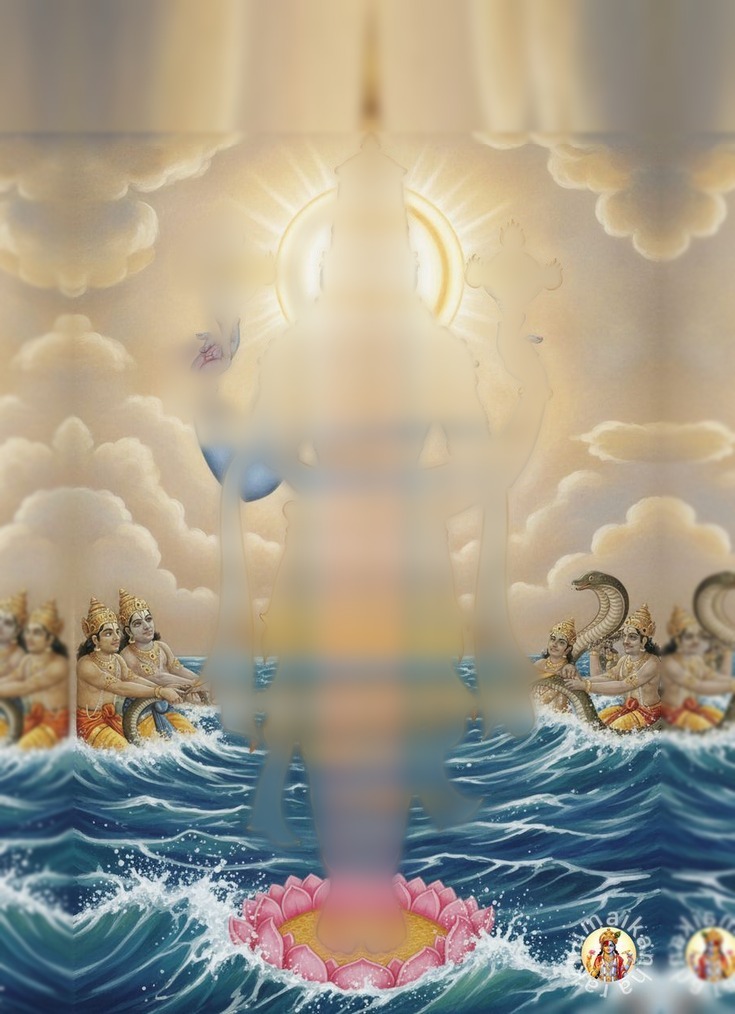
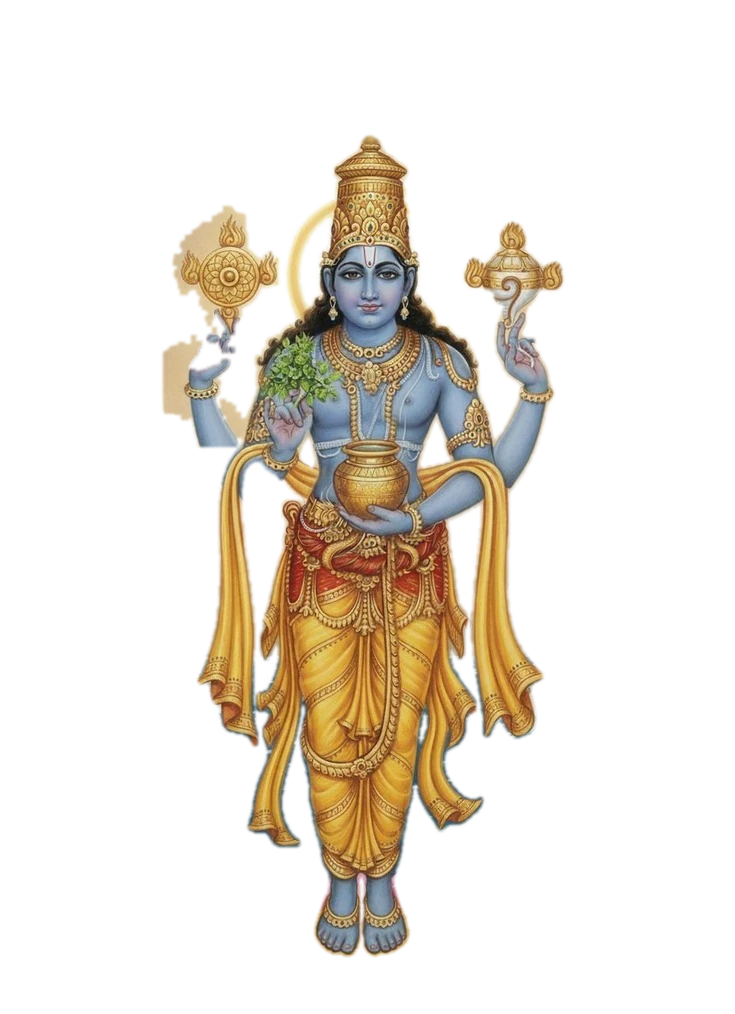
Lord Dhanvantari rose from the ocean of milk on this tithi, when the gods and the demons churned it, holding the vessel of medicines for every illness of the world; so this Trayodashi is kept as his jayanti (जयन्ती), the day of his appearance, and the name Dhanteras is understood to come from it. The scholars of Ayurveda and the physicians consecrate his image (प्रतिमा) and worship him with faith and devotion, praying for long life and health for all. Goddess Yamuna is Lord Yama's sister, so a bath in her waters carries a special merit on this day; a fast (उपवास) kept through the day brings the highest merit, and the lamp at dusk is offered without fail. Dhanteras, Naraka Chaturdashi and Diwali are the three days that belong to Lord Yama, and a lamp is offered to him on each of the three.

व्रत कथा · the full katha will open here.

आसपास के दिनthe days around

अन्य वर्षother years, Delhi

२०२७ 2027Wed 27 Oct२०२८ 2028Sun 15 Oct२०२९ 2029Sun 4 Nov२०३० 2030२०३१ 2031

कौन · कहाँwho · where

Every household — the lamp for Lord Yama at the main door is everyone's; the scholars of Ayurveda and the physicians keep Lord Dhanvantari's worship especially. Kept across India. In Kashi the physicians worship Lord Dhanvantari on this day, regarded as the day of the churning of the ocean (समुद्रमन्थन) from which the fourteen treasures (चौदह रत्न) came — so it is also the day Goddess Lakshmi, the wish-fulfilling tree (कल्पवृक्ष), the wish-fulfilling cow (कामधेनु), the nectar (अमृत) and the poison (विष) came forth. In Braj the Diwali festival begins with Dhanteras, and that day the temples seat the Lord in gold and silver. In Nathdwara the Lord's festive adornment (शृंगार), begun on the dark Ekadashi, is made especially grand on Dhanteras. The Shvetambara Jains brighten their ornaments and jewels on this day. Worshipped: Lord Yama and Lord Dhanvantari.